

Economic indicators shape financial decisions long before most people realize it. They influence interest rates, lending conditions, investment confidence, and overall market stability. Understanding what these indicators mean—and why they matter—helps individuals and businesses make smarter, more confident financial choices.
This guide explains key economic indicators in plain terms and shows how they affect everyday financial decisions.
What Are Economic Indicators?
Economic indicators are data points that reflect the health of an economy. Governments, banks, and businesses rely on them to assess performance, forecast trends, and manage risk.
They answer fundamental questions:
- Is the economy growing or slowing?
- Are prices rising too quickly?
- Is employment improving or weakening?
- How confident are consumers and businesses?
Indicators don’t predict the future perfectly—but they provide critical signals.
Leading, Lagging, and Coincident Indicators
Not all indicators serve the same purpose.
- Leading indicators signal where the economy is heading (e.g., consumer confidence, housing starts).
- Coincident indicators show what’s happening right now (e.g., GDP, employment levels).
- Lagging indicators confirm trends after they’ve occurred (e.g., inflation, interest rate changes).
Together, they create a clearer economic picture.
Key Economic Indicators That Matter Most
Gross Domestic Product (GDP)
GDP measures the total value of goods and services produced. Rising GDP suggests growth; declining GDP may signal contraction.
Why it matters:
Growth affects job creation, income stability, and lending confidence.
Inflation Rate
Inflation tracks how quickly prices rise over time.
Why it matters:
High inflation reduces purchasing power and often leads to higher interest rates, impacting loans and savings.
Employment Data
Employment figures show how many people are working and how strong the labor market is.
Why it matters:
Strong employment supports consumer spending and loan repayment stability.
Interest Rates
Set or influenced by central banks, interest rates affect borrowing costs and savings returns.
Why it matters:
Rate changes influence mortgages, business loans, and credit availability.
Consumer Confidence
This reflects how optimistic people feel about the economy.
Why it matters:
Confidence drives spending, which fuels economic activity.
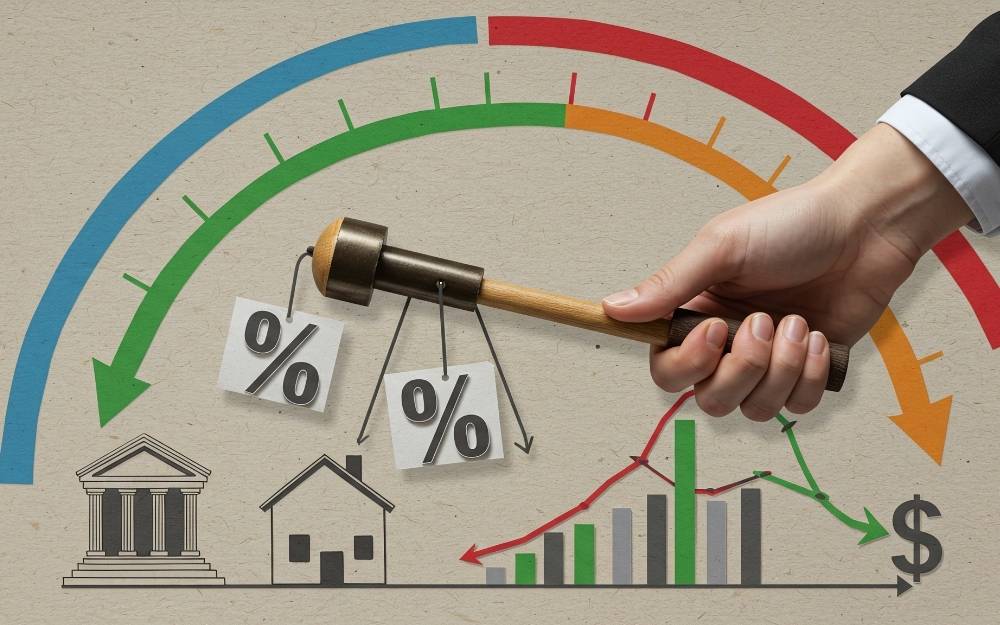
How Economic Indicators Affect Banking
For banks, economic indicators guide:
- Lending policies
- Risk management
- Interest rate strategies
- Long-term planning
Stable indicators encourage investment and lending. Uncertainty leads to caution and tighter conditions.
Why Understanding Indicators Benefits Individuals and Businesses
When people understand economic signals, they can:
- Plan major purchases more effectively
- Anticipate interest rate shifts
- Manage cash flow proactively
- Make informed investment decisions
Financial literacy reduces uncertainty and improves long-term outcomes.
Indicators Are Tools, Not Predictions
Economic indicators don’t provide guarantees. They provide context. Smart decision-making comes from interpreting multiple indicators together—not reacting to a single data point.
Balanced understanding leads to better financial resilience.
Final Thought
Economic indicators shape the financial environment we all operate in. Understanding them doesn’t require a finance degree—just clear explanations and practical perspective. When individuals and businesses understand what the numbers mean, they gain confidence, clarity, and control over financial decisions.
Knowledge turns uncertainty into opportunity.
Related Posts

Why the way we view budgeting actually shapes our daily peace
Stop viewing budgets as restrictions.…

How our feelings about money actually shape our financial future
Explore how your internal emotional…

Financial Resilience: Redefining Success in a Modern Economy
Explore why financial resilience is…