Financial stability doesn’t happen by accident. It’s the result of informed decisions made consistently over time. Financial literacy—the ability to understand and apply basic financial concepts—is one of the most powerful tools individuals and businesses have to plan confidently for the future.
This article explains why financial literacy matters and how it supports long-term stability and smarter planning.
What Financial Literacy Really Means
Financial literacy isn’t about complex investing strategies or advanced economics. It’s about understanding everyday financial fundamentals, such as:
- Budgeting and cash flow
- Saving and emergency planning
- Responsible credit use
- Interest rates and debt management
- Basic investing principles
When these fundamentals are clear, decision-making becomes more deliberate and less reactive.
Stability Comes From Predictability
Financial literacy allows individuals and organizations to anticipate financial outcomes instead of reacting to them.
With stronger understanding, people can:
- Plan expenses more accurately
- Prepare for economic changes
- Avoid unnecessary financial risk
- Maintain consistent cash flow
Predictability creates stability, especially during uncertain economic periods.
Smarter Planning Starts With Better Information
Long-term planning relies on knowing how today’s decisions affect tomorrow’s outcomes.
Financially literate individuals:
- Set realistic long-term goals
- Understand trade-offs between spending and saving
- Evaluate financing options more effectively
- Align short-term actions with long-term priorities
Clarity reduces stress and improves confidence.
The Role of Financial Literacy in Risk Management
Risk is unavoidable, but it can be managed.
Understanding financial basics helps people:
- Build emergency reserves
- Avoid over-leveraging
- Recognize warning signs early
- Respond calmly during market fluctuations
Knowledge doesn’t eliminate risk—it helps control it.
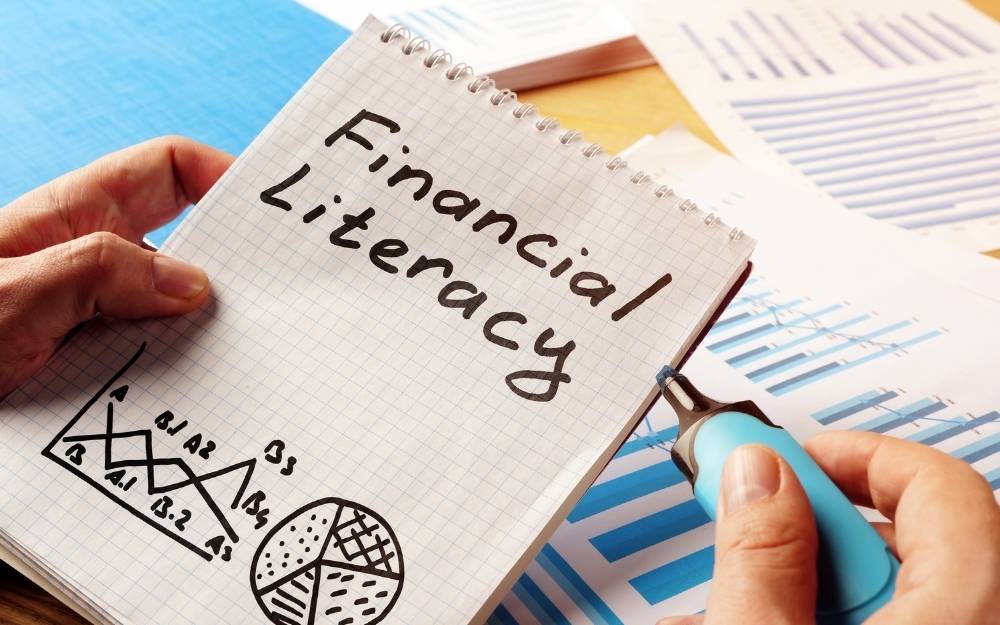
Financial Literacy Strengthens Decision-Making
Every financial choice involves consequences. Literacy makes those consequences visible.
Better understanding leads to:
- More responsible borrowing
- Healthier savings habits
- Improved credit profiles
- More sustainable growth strategies
Over time, these small decisions compound into long-term stability.
Why Financial Education Matters More Than Ever
Economic conditions change rapidly. Interest rates fluctuate. Markets shift. Costs rise.
In this environment, financial literacy:
- Increases adaptability
- Encourages proactive planning
- Supports long-term resilience
- Reduces dependence on guesswork
Those who understand their finances are better positioned to adjust when conditions change.
Financial Literacy Is a Long-Term Asset
Unlike short-term financial gains, knowledge compounds indefinitely. It improves every financial decision, at every stage of life or business growth.
Stability isn’t about avoiding change—it’s about being prepared for it.
Final Perspective
Financial literacy provides structure in a complex financial world. It supports thoughtful planning, reduces uncertainty, and strengthens long-term stability. When individuals and businesses understand how money works, they gain control over their financial future instead of reacting to it.
Informed decisions create lasting security.
Related Posts

How our feelings about money actually shape our financial future
Explore how your internal emotional…

Financial Resilience: Redefining Success in a Modern Economy
Explore why financial resilience is…